
Insights
Field notes from regulated finance.
Case studies and lessons from building trading platforms, banking apps and fund software, written by the team that shipped them.

How fund expense allocation splits one invoice across funds
One invoice, four entities that used the service, and a policy that has to explain each share. The route from the AP mailbox to a signed allocation line, and the record an LPAC or an ODD reviewer asks for.
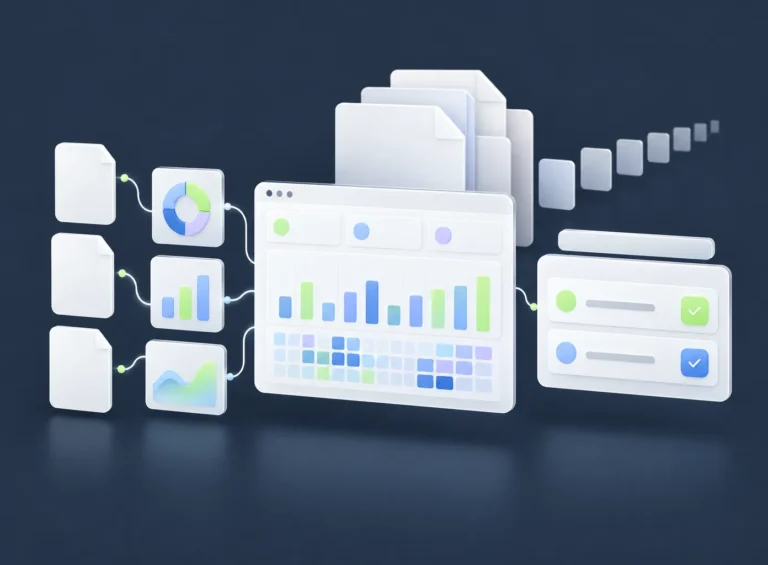
Who runs the close when you buy fund accounting services
The three routes that run a fund accounting close differ less in price than in who prepares the NAV, who approves it and who holds the trail behind it.

Fund reporting software that takes one NAV to three signed documents
One NAV leaves the close as three documents with three different readers. What the LP pack, the audited statements and the domicile's filing each need, and the test that shows whether your system can rebuild a figure it already signed.

Hedge fund accounting, from trade date to the signed fee
The close runs in dated steps, and the fee is only as strong as the record behind it. One mid-period subscription shows what that record has to hold.

How private equity fund accounting works through a fund’s year
A closed-end fund's year, told through its records: the call notice and the schedule under it, the fee offset, four waterfall tiers, and the LP pack.
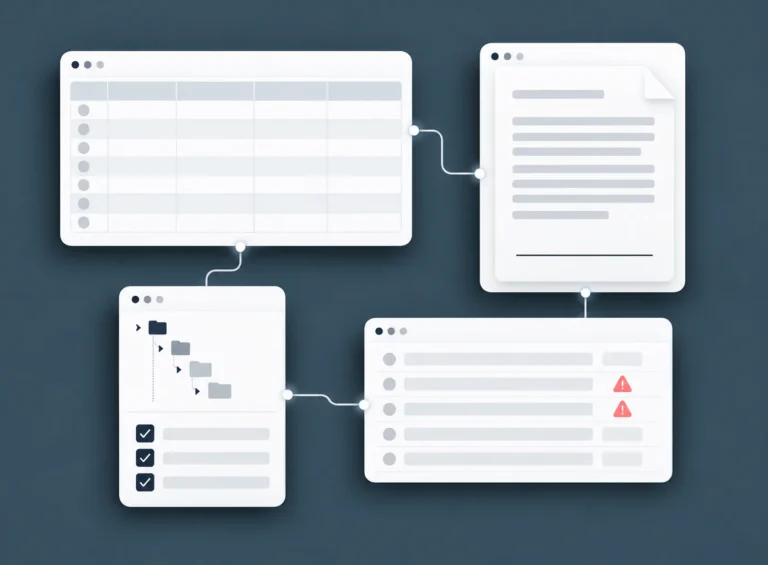
Custom software development cost: what moves the number
What a regulated build costs is set by systems you do not own, rules nobody wrote down and the exceptions one close hides.
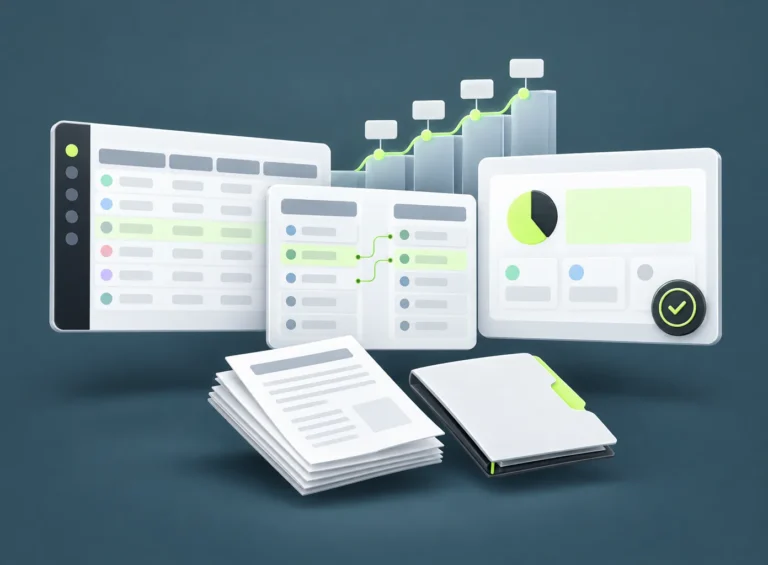
Fund administration software for a close you can defend
A fund administration platform earns its place when the close runs the same way twice. We build it inside your procedures and hand over the code.

Custom ETF solutions for institutions: creation and redemption
Institutional mandates do not change how a fund's NAV is struck or how units are created. They change the records the platform has to hold, from the basket in force to the eligibility checks and the reporting the holder expects.

Trading platform development company: modules, systems and six steps
A trading platform build is a scoped integration job: client channels, order handling, market data, risk checks, a back-office handoff and the admin layer, wired into the systems the broker already runs. What we build, the six steps it runs in, and what you own at the end.

Custom software development for capital markets: six steps
What a capital markets build covers, the systems it has to talk to, and the six delivery steps behind it. The engagement scope on the page comes from work already published on this site.